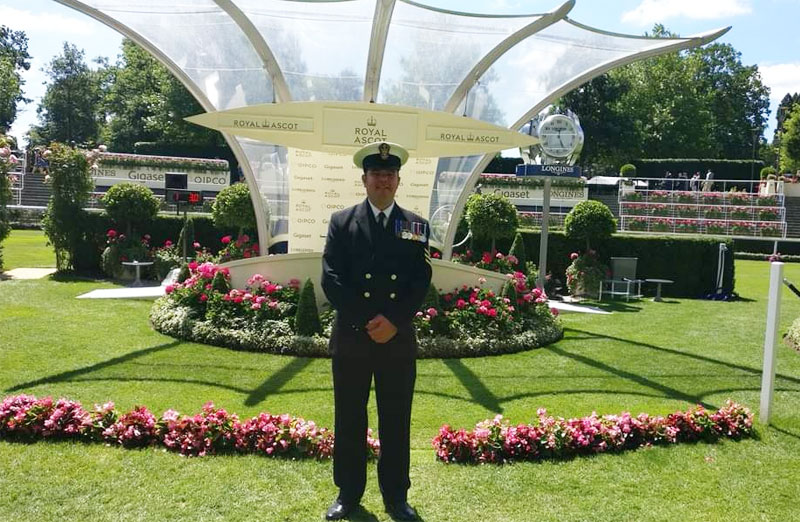
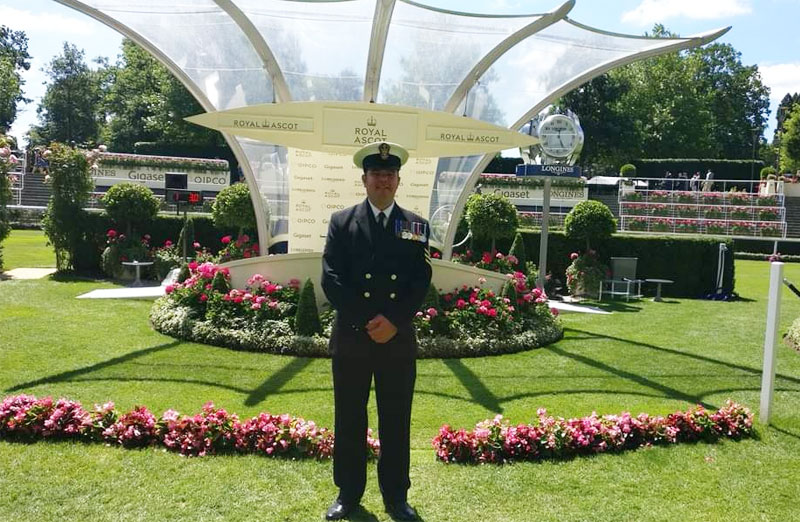
 In part three of our spotlight series focussing on careers at sea, we shift the spotlight slightly and talk to a member who has served at sea, David Ayres FIH.
Tell us a little more about yourself and your career to date.
I have been part of the Royal Navy for many years and am currently a successful logistics catering services manager. I work front-of-house and have operated officers’ messes and senior officers’ residences, accommodating VIPs, Royal dinners and high-profile corporate functions. My current role involves managing the wardroom mess, non-public fund accounts and being responsible for the welfare and professional development of up to 15 staff. My most notable achievement was producing accounts and policy procedures in support of the Royal Navy ships and submarines in Scotland and the North of England to ensure government policy.
What do you enjoy about working in the maritime industry?
The pay is better compared to similar land-based roles, and I enjoy the opportunity to see the world and different cultures. Plus, its varied, I could be at sea firefighting. There are lots of contractual benefits too, such as, a good pension, extra holiday allowance, healthcare and job security. The ability to gain further qualifications is also a massive advantage.
How does working in international waters differ from land-based hospitality jobs?
At sea, we have different rules and regulations compared to shore; language barriers dealing with different companies and understanding the International Convention for the Prevention of Pollution from Ships regulations, (MARPOL).
What are your favourite and least favourite ports from around the world and why?
Favourite places are, South Africa and the Far East. Least favourite place would be Aden and Djibouti, purely due to the poverty.
How do you cope with sea sickness, or finding your “sea legs”. Are you born with it or do you develop?
You get used to over the years. It also depends on the type of vessel you work on as to whether you get seasick. I find on the larger ships you can get motion sickness rather than seasick.
Does travel broaden the mind?
I think being in different countries broadens your understanding. It is an education to respect the values of other cultures and society in different parts of the world.
What is your hope for the industry as we hopefully come out of the pandemic?
Post pandemic I hope the industry will gain more professional kudos. Without a seafaring hospitality industry, I believe the sector would vanish. From housekeeping through to senior management, everyone needs to feel part of the industry and be provided long term security.
What is the most memorable thing a passenger or guest has asked you?
One guest invited me back to their home, in the UK, for lunch!
Why say #imin (I’m in) to the Institute of Hospitality
The IoH has allowed me to improve my professional skills and, with time and commitment, learn from a wide variety of colleagues, clients and situations that put you to the test.
Which elements of Membership did you use most during lockdown?
During the pandemic, I used the Zoom forums and promoted the IoH to service leavers of the armed forces.
Do you have any advice for people considering a life at sea?
My advice would be to be prepared for long periods away from your family. It is a sacrifice being away but if you embrace a life at sea, you can gain valuable experience that is transferable onshore.
Tell us three things about yourself that we don’t know!
You can connect with David on LinkedIn.
Be part of our well-respected network, get trusted advice and take a positive approach to your learning and development.
Your business card may take a moment to be generated. You can save your business card by right clicking -> save image as, or holding down on the image on your phone.