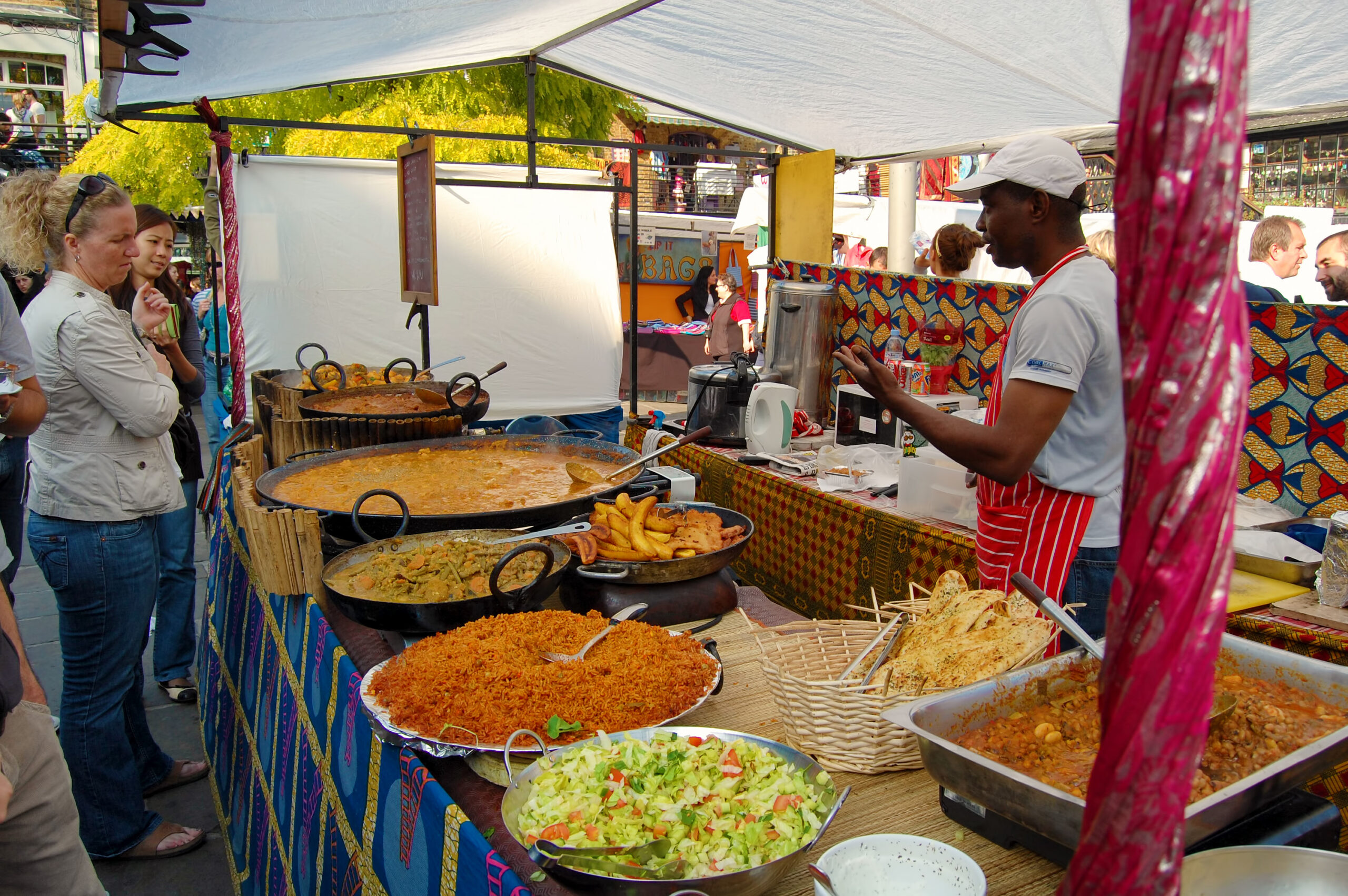
The UK has celebrated Black History Month every October since 1987, with exhibitions, talks and cultural events as regular highlights. In 2026, hospitality played a big role in marking the occasion. Kitchens, bars, dining rooms and hotel lobbies were used to honour Black communities and their contributions. The national theme proved to be more than just a slogan. From London supper clubs to Manchester hotel lobbies, and from Milton Keynes food markets to Stockport community centres, operators embraced it with shared plates, collaborative menus and charitable giving.
At restaurants, the best collaborations used the menu not only to offer something new but also to tell a story. Burger chain Bleecker worked with food writer Melissa Thompson and UK Black Pride on a themed supper club featuring the Plantain Pride Burger, with all profits going to the Sickle Cell Society. Chef Anthony Cumberbatch’s Timeless Tastes: Savouring Jamaican History at Rudie’s Jerk Shack offered a series of supper clubs that explored Jamaica’s migration and settlement history through Caribbean cooking. In both cases, history, identity and community support were part of the meal itself, an act of commemoration. These efforts positioned hospitality teams as leaders in visibility, creativity and social impact, recognition reflected in the annual Be Inclusive Hospitality Spotlight Awards, held in London this month to celebrate Black and minority background talent across the industry.
In the drinks and casual dining sector, there was as much focus on learning as on celebration. Bars and food halls highlighted Black history and culture, often working with social enterprises and charities. Blend Family partnered with The Black Curriculum to create the Kromanti Mai Tai, with profits supporting education and food insecurity projects. Unity Place’s Urban Food Market in Milton Keynes offered Black History Month-inspired menus celebrating African and Caribbean flavours, along with storytelling sessions and art events that brought people in for more than just food. The approach was clear: operators used their platforms to encourage curiosity and connection as well as enjoyment.
Hotels focused on art, fundraising and visibility. The Lowry Hotel worked with Black Creative Trailblazers to showcase Black artists’ work in guest areas, turning corridors and lobbies into an art trail. This weekend the Crown Hotel’s Black History Month Gala will celebrate and raise funds for local youth projects. The release of the Black Hotel Guide addressed representation by helping travellers find Black-owned and Black-led accommodation in London. These efforts showed hotels as leaders in visibility, creativity and social impact.
Most Black History Month activities did not make the news. They took place in universities, workplaces and contract catering venues, where teams created menus based on African and Caribbean traditions, often with input from students and staff. At the University of Bath, catering worked with the African and Caribbean Society to offer family recipe pop-ups. At other campuses around the UK, there were cooking demonstrations and cultural quizzes. Caterers also chose to buy from Black-owned suppliers, showing recognition beyond the dining table. In these everyday settings, Black heritage became part of daily life and part of the conversation.
At the grassroots level, community groups and local councils used food to connect people. Many programmes offered free or low-cost meals, workshops and performances so everyone could take part. Camden Council’s Black History Season is one example, with communal lunches, educational talks and cultural performances supporting community causes. Similar events across the country combined food heritage, arts and activities for all ages, using shared meals to stimulate conversations and build local connections. This kept Black History Month accessible, meaningful and rooted in the community.
These many efforts show hospitality going beyond serving food to bring communities together to observe old traditions and start new ones. Whether it was a burger sold for charity, a cocktail with a story, or a supper club exploring a nation’s migration history, operators across the UK made Black history part of the meal this October.
Be part of our well-respected network, get trusted advice and take a positive approach to your learning and development.
Your business card may take a moment to be generated. You can save your business card by right clicking -> save image as, or holding down on the image on your phone.